
Properties That Look Maintained Through Every Season
Seasonal Landscape Cleanup in Boise for properties with leaf accumulation and overgrown planting beds
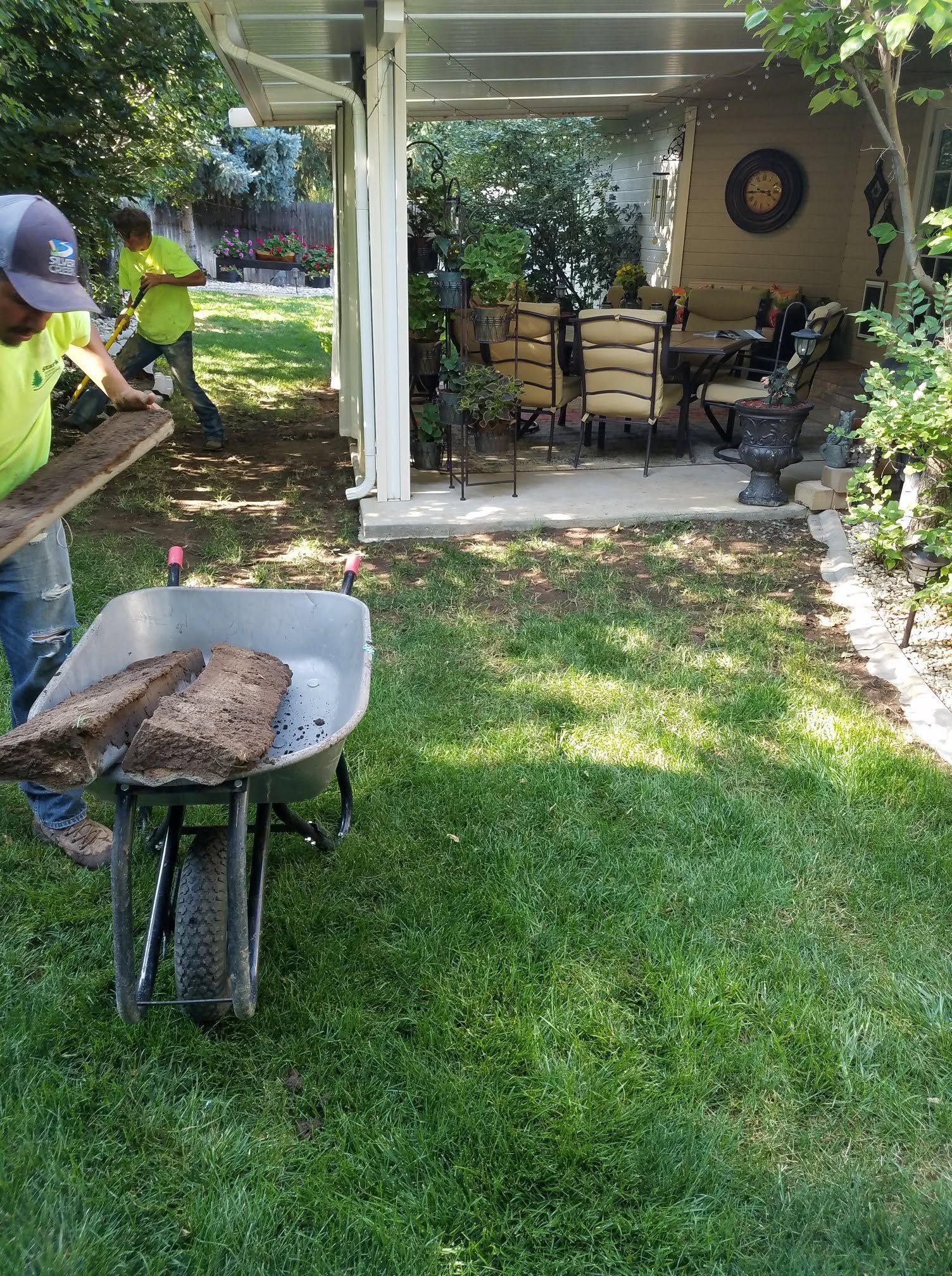
Leaf layers that build up through fall smother turf and create matted debris that prevents spring growth, while unpruned shrubs extend into walkways and block sightlines at property entrances. Stark Landscape Inc. provides seasonal cleanup targeting these accumulation points, removing organic material before it decomposes into thatch, cutting back perennials that have finished their growth cycle, and clearing beds of wind-blown debris that degrades landscape appearance. The work resets outdoor spaces to a maintained baseline that supports plant health and keeps properties visually consistent with surrounding commercial and residential standards in Boise.
Cleanup involves debris removal from planting beds and turf areas, pruning of spent perennial growth, edging along hardscape borders, and clearing of drainage grates that clog with organic material. Spring cleanups address winter damage and prepare beds for new growth, while fall work prevents leaf smothering and removes annual plants that have finished producing.
Schedule a property walkthrough to identify cleanup priorities before seasonal transitions begin.
What Changes After Seasonal Maintenance Completes
Seasonal cleanup exposes the structure of landscape beds and removes the visual clutter that accumulates when properties go months without attention, making mulch layers visible again and defining the edges between planted areas and turf zones. You see clean bed surfaces with consistent mulch coverage, shrubs pruned to defined shapes rather than sprawling over adjacent plants, and turf areas free of leaf mats that would otherwise create dead patches come spring.
Walkways and entrances regain their intended clearance when overgrown plantings are cut back to original design dimensions, improving both access and visibility for vehicles and pedestrians. Drainage systems function properly once grates and swales are cleared of decomposing leaves that would otherwise block water flow during Boise's spring runoff period, when snowmelt combines with rain to test every property's water management capacity.
The service includes debris hauling and disposal but does not cover irrigation system adjustments or fertilization programs, which are addressed through separate maintenance contracts. Timing depends on weather patterns, with fall cleanups typically scheduled after leaf drop completes in late October or early November, and spring work beginning once soil dries enough to avoid compaction damage from foot traffic and equipment.
Common Questions About This Service
Residential and commercial clients in Boise approach seasonal cleanup with different timing and scope considerations.
What gets removed during a typical cleanup visit?
Crews haul away fallen leaves, dead annuals, pruned branches, and general landscape debris, leaving beds cleared to mulch level and turf areas free of organic buildup that would interfere with mowing or irrigation.
How does spring cleanup differ from fall work?
Spring cleanup focuses on removing winter damage, cutting back ornamental grasses and perennials to ground level, and preparing beds for new plantings, while fall work emphasizes leaf removal and protecting plants before dormancy begins.
When should cleanup be scheduled relative to first frost?
Fall cleanup happens after the first hard freeze when deciduous plants have dropped their leaves but before snow arrives, typically a three-week window in Boise that falls between mid-October and early November depending on elevation.
What happens to collected debris?
All organic material is hauled offsite to composting facilities or disposal sites, preventing on-property piles that attract pests or create fire hazards during Boise's dry summer months following spring cleanup.
How does cleanup affect mulch levels in planting beds?
Cleanup exposes existing mulch and reveals areas where topdressing is needed to maintain the two- to three-inch depth that suppresses weeds and retains soil moisture, though mulch replenishment itself is handled as a separate line item.
Stark Landscape Inc. tailors cleanup scope to match property size and landscape complexity. Set up a seasonal service plan that maintains your outdoor spaces without requiring you to manage scheduling or debris disposal.