
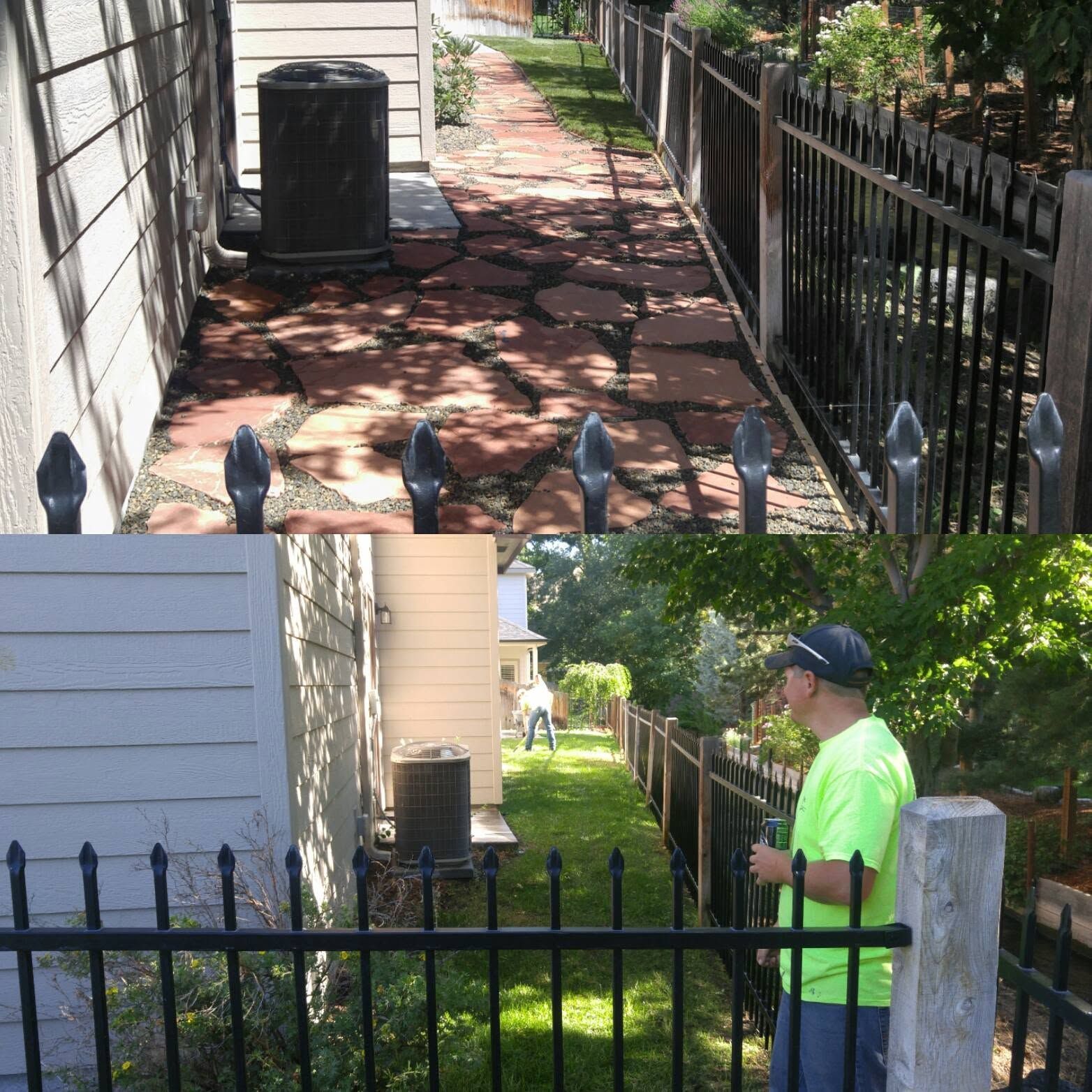
Outdoor Spaces Rebuilt for Current Use
Landscape Renovations in Boise for properties with failing irrigation, outdated plantings, and poor drainage patterns
Landscapes installed decades ago often feature plant selections that no longer suit current water availability, layout designs that conflict with how properties are now used, and irrigation systems patched so many times that coverage has become unpredictable. Renovation addresses these systemic failures by replacing underperforming components, reconfiguring bed layouts to match actual use patterns, and installing updated materials that reduce maintenance demands while improving both function and appearance. Stark Landscape Inc. manages renovation projects in Boise, working from site analysis through installation to transform outdoor spaces that have declined beyond what routine maintenance can restore, delivering landscapes aligned with present needs rather than outdated assumptions.
Projects begin with evaluation of existing conditions—soil quality, drainage performance, irrigation coverage, and plant health—followed by design adjustments that address identified failures. Installation may involve removing and replacing struggling plantings, upgrading irrigation to zone plants by water needs, regrading areas where water pools, and adding features like pathways or gathering spaces that reflect how occupants actually use outdoor areas.
Schedule a site consultation to review specific issues and discuss renovation options tailored to your property.
What Landscape Renovation Actually Accomplishes
Renovation projects replace guesswork with measured planning, using site data to select plants suited to existing soil and light conditions rather than repeating past failures with identical species that already proved unsustainable. Irrigation upgrades deliver consistent coverage calibrated to plant water requirements, eliminating the dry zones and overwatered areas that develop when outdated systems are expanded piecemeal without overall design consideration.
After completion, you notice uniform plant growth across beds rather than the patchy performance that indicates inconsistent water or poor soil conditions, defined drainage paths that move runoff away from structures instead of pooling against foundations, and cohesive visual flow that connects landscape elements into a unified design rather than a collection of unrelated additions. Maintenance demands decrease because plants are matched to conditions and irrigation delivers water efficiently, reducing the troubleshooting and replacement cycle that consumes time and budget on failing landscapes.
Renovation scope is customized to budget and priorities, with projects ranging from targeted fixes addressing specific problem zones to comprehensive overhauls that rebuild entire sites. Work does not include structural changes to buildings or utilities, though coordination with separate trades may be required when irrigation ties into domestic water systems or drainage improvements connect to municipal storm systems.
What Property Owners Usually Ask
Renovation decisions depend on how long properties will be held and what return on investment owners expect from landscape improvements.
What triggers the need for renovation versus continued maintenance?
Renovation becomes cost-effective when recurring plant replacement exceeds the cost of addressing underlying irrigation or soil problems, or when layout no longer supports how the property is used and minor adjustments cannot resolve the mismatch.
How are new plant selections made?
Choices reflect site conditions including sun exposure, soil type, and water availability, balanced against aesthetic goals and maintenance capacity, with preference given to species proven reliable in Boise's climate rather than experimental selections that may struggle.
What happens to existing plants during renovation?
Healthy specimens compatible with the new design are often retained and relocated if necessary, while declining or mismatched plants are removed, with disposal included in project costs to avoid leaving debris onsite.
How does renovation improve water efficiency?
Updated irrigation uses pressure-regulated emitters, matched precipitation rates, and controller programming that adjusts run times seasonally, reducing water waste from overspray, runoff, and evaporation common in older spray systems with fixed schedules.
What site preparation is required before installation?
Renovation projects typically involve soil amendment to address compaction and nutrient deficiencies, grading corrections to eliminate standing water, and removal of old irrigation lines and root masses that would interfere with new plantings.
Stark Landscape Inc. structures renovation projects in phases when needed, allowing budget flexibility while ensuring each completed stage functions independently. Contact the team to discuss your property's specific conditions and explore improvement options that align with your goals.